

DOES SUNSCREEN REALLY EXPIRE?
By Kiehl’s Education Team
Yes, sunscreen does expire. In a country where SPF is not optional, here is everything you need to know about how long sunscreen lasts and how to keep your skin properly protected all year round in the UAE.
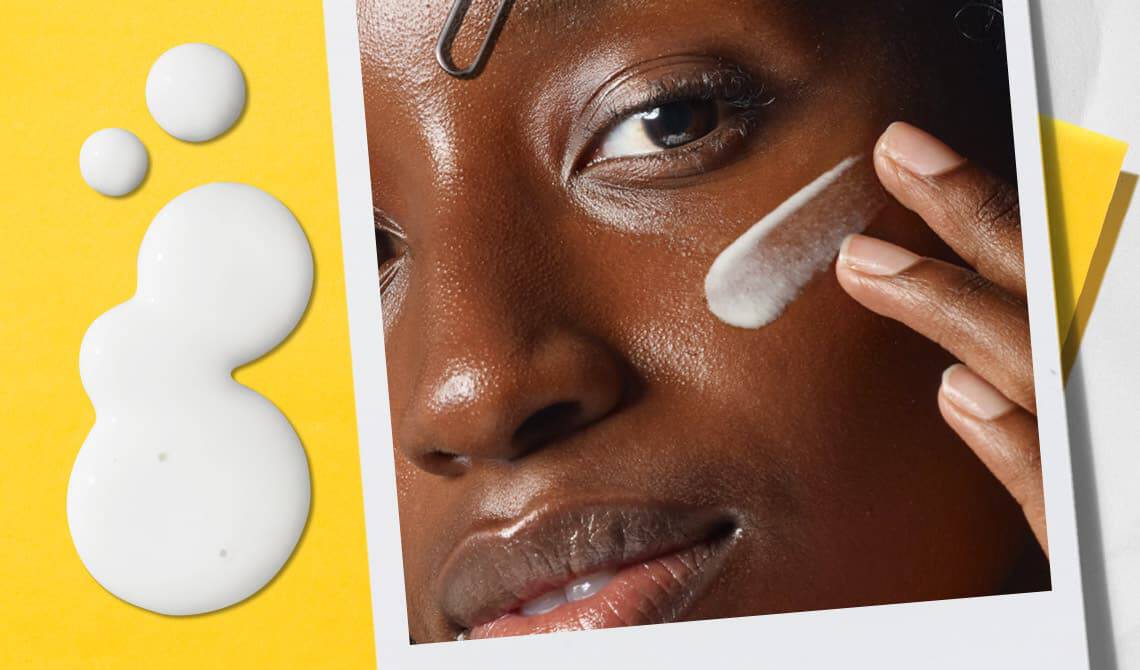
Sunscreen does, in fact, expire, and it is important to check the expiration date of your chosen formula to make sure your skin stays protected. In the UAE, where the sun is intense year-round and UV exposure is one of the highest in the world, this is not a step you can afford to overlook. Although it might be tempting to reach for a bottle of sunscreen left over from a previous season, sunscreen can and does degrade over time, which can make it significantly less effective.
In the UAE, sunscreen is exposed to some of the harshest environmental conditions imaginable. Extreme heat, intense direct sunlight, and the repeated cycle of indoor air conditioning and outdoor exposure can all accelerate the degradation of SPF formulas. A sunscreen that was SPF 50 at the time of purchase can, through natural degradation and environmental exposure, effectively become SPF 30 or less. That is a significant loss of protection in a country that records some of the world's highest UV index readings.
Using any expired product is ill-advised, but with sunscreen, the stakes are particularly high. Sun protection is not a cosmetic benefit; it is a health essential. It is especially important to keep your sunscreen as current and effective as possible.
Kiehl's Tips for the UAE: Never leave your sunscreen in a parked car or in direct sunlight; extreme heat accelerates degradation faster than almost anything else. For body sunscreens, replace each season and discard at the end of it. For facial sunscreens, always use within the expiration date and store away from the bathroom, where heat and humidity from showers can alter the formulation. Check your sunscreen regularly for any changes in colour, smell, or consistency. If the formula has separated or looks or smells different, it is time to replace it.
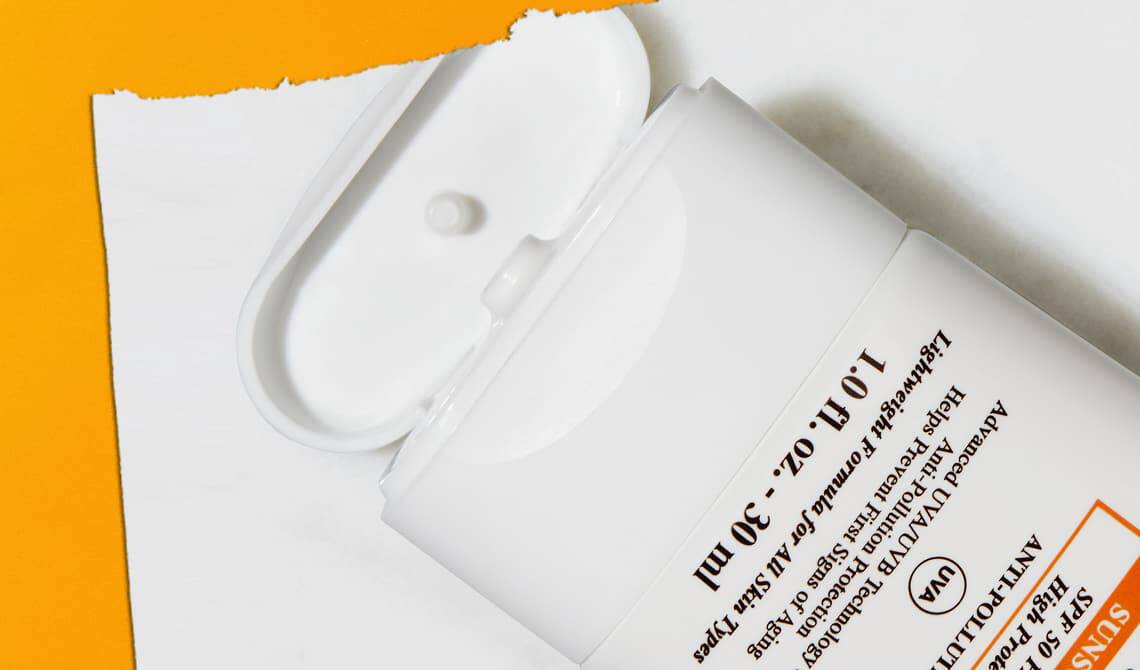
Sunscreen Expiration Timeline
Sunscreens are regulated as non-prescription drug products in many markets around the world. As part of these regulations, sunscreens are generally required to maintain their potency for at least three years from the date of manufacture. Some sunscreens have an expiration date printed directly on the bottle, which makes it straightforward to know when to replace them. For SPF products that do not carry a printed date, it is important to track when the product was first purchased.
In the UAE, where sunscreen should ideally be used every single day rather than reserved for beach trips or holidays, bottles tend to be used more frequently. This actually works in your favour: regular use means you are less likely to be holding on to an outdated formula for too long.
When it is time to replace your sunscreen, we recommend our Ultra Light Daily UV Defense SPF 50+. The lightweight formula protects skin against UVA and UVB rays as well as pollution and external aggressors. It absorbs quickly, leaves a matte finish, and is well-suited to the UAE's warm, humid conditions.
SPF Expiration Tips
Expiration dates apply not only to dedicated sunscreens but to any product with an SPF rating, including moisturisers, tinted creams, and facial lotions. In the UAE, where layering SPF into your daily moisturiser is a practical and effective approach to everyday sun protection, it is worth paying attention to the shelf life of these products too.
To restock your moisturiser with SPF, consider our Ultra Facial Cream SPF 30, which offers broad-spectrum protection alongside up to 24-hour hydration. For those with anti-aging concerns, our Super Multi-Corrective Cream SPF 30 provides broad-spectrum SPF 30 protection while also visibly lifting and smoothing the skin.
Kiehl's Tip: Skincare formulas, including moisturisers with SPF, typically feature a small symbol on the back or bottom of the packaging that indicates their shelf life. Look for a jar icon with a number and the letter "M" inside. This tells you how many months you should keep the product after opening.

How Can You Tell If Sunscreen Has Expired?
The most reliable way to tell if your sunscreen has expired is to check the expiration date printed on the packaging, or to recall when the product was first purchased. Beyond that, pay attention to changes in how the formula looks, feels, and smells.
If the formula has changed in consistency, if it has separated, if the colour or smell has shifted, or even if the label has worn off the bottle, it is best to discard that formula and start fresh. Any noticeable change to your sunscreen is a signal that it may have expired or degraded, leaving your skin more vulnerable to UV damage.
In the UAE, where sunscreens are often stored in conditions of intense heat, such as by a pool, in a beach bag, or on an outdoor shelf, degradation can happen faster than the printed expiration date might suggest. When in doubt, replace it.
Can You Prevent Sunscreen from Expiring?
All sunscreens will expire eventually, but there are steps you can take to maximise the shelf life of your formula and ensure it stays as effective as possible for as long as possible.
Every bottle of sunscreen should include a warning to keep the formula away from excessive heat or direct sunlight, as both can degrade the active ingredients. In the UAE, this is especially relevant. When taking sunscreen outdoors, keep it in the shade or wrapped in a towel. For extended time at the beach or pool, store it in a cooler. Never leave it in a parked car, where temperatures inside can exceed 70 degrees and will dramatically accelerate degradation.
How Long Does Sunscreen Last?
If you are using sunscreen daily, as you should be in the UAE, you should update your supply frequently to ensure it remains as effective as possible. For body sunscreens or formulas used primarily for outdoor activities, renew them each season.
If you are applying sunscreen correctly and consistently, a bottle is unlikely to last very long anyway. For each full application to the face and body, most people need approximately 30ml, roughly the equivalent of a shot glass. In a country where daily reapplication is not just recommended but necessary given the UV conditions, you should be going through sunscreen at a regular pace.
KIEHL'S RECOMMENDED SPF FORMULAS FOR THE UAE
With the UAE's UV demands in mind, here are three Kiehl's formulas worth keeping in your routine year-round.

Better Screen UV Serum SPF 50+
Suitable for all skin types, including oily and acne-prone, this lightweight sunscreen serum is powered by advanced UV filters and Collagen Peptide. It helps shield against UVA and UVB, visibly corrects early signs of UV damage, boosts skin radiance, and improves skin tone and texture, all while blending seamlessly across multiple skin tones. For those navigating the UAE's year-round sun without wanting to compromise on texture or finish, this is a strong daily choice.

Ultra Facial Cream SPF 30
Our Ultra Facial Moisturizer SPF 30 is an effective facial moisturizer with SPF 30 broad-spectrum protection that moisturizes skin and absorbs easily to help protect skin from sun damage which can cause early signs of aging.
.jpg?sw=1440&q=70)
Super Multi-Corrective Cream SPF 30
For those looking for SPF protection combined with a multi-targeted anti-aging moisturiser, Super Multi-Corrective Cream SPF 30 delivers broad-spectrum UV protection while also helping to lift, firm, smooth, re-texturise, and moisturise the skin. In the UAE, where sun exposure contributes to premature ageing as much as any other factor, combining daily SPF with an anti-aging formula is a practical and efficient approach.
The Bottom Line
Sunscreen expires, its efficacy degrades, and using an outdated formula in the UAE's UV conditions carries genuine risk. Check your expiration dates, store your sunscreen correctly, replace it regularly, and apply it every single day.
In a country with one of the highest UV indexes in the world, sun protection is not a seasonal consideration. It is a year-round commitment, and it starts with making sure the sunscreen in your hand is actually doing its job.
SHOP THIS ARTICLE
Ultimate Man Body Scrub Soap
A highly efficient male body scrub soap made with Bran and Oatmeal.
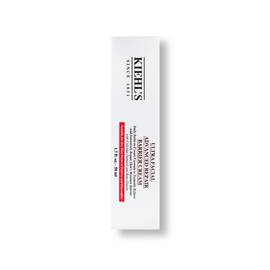

Ultra Facial Advanced Repair Barrier Cream
An intensive barrier cream with Colloidal Oatmeal that provides instant repair and relief for dry and very dry skin.
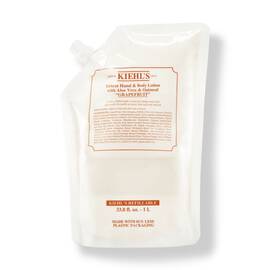

Deluxe Hand & Body Lotion
A lightweight scented hand and body lotion with Aloe Vera and Oatmeal.
Deluxe Hand & Body Lotion
A lightweight scented hand and body lotion with Aloe Vera and Oatmeal.


